Archives
- 2026-06
- 2026-05
- 2026-04
- 2026-03
- 2026-02
- 2026-01
- 2025-12
- 2025-11
- 2025-10
- 2025-09
- 2025-03
- 2025-02
- 2025-01
- 2024-12
- 2024-11
- 2024-10
- 2024-09
- 2024-08
- 2024-07
- 2024-06
- 2024-05
- 2024-04
- 2024-03
- 2024-02
- 2024-01
- 2023-12
- 2023-11
- 2023-10
- 2023-09
- 2023-08
- 2023-07
- 2023-06
- 2023-05
- 2023-04
- 2023-03
- 2023-02
- 2023-01
- 2022-12
- 2022-11
- 2022-10
- 2022-09
- 2022-08
- 2022-07
- 2022-06
- 2022-05
- 2022-04
- 2022-03
- 2022-02
- 2022-01
- 2021-12
- 2021-11
- 2021-10
- 2021-09
- 2021-08
- 2021-07
- 2021-06
- 2021-05
- 2021-04
- 2021-03
- 2021-02
- 2021-01
- 2020-12
- 2020-11
- 2020-10
- 2020-09
- 2020-08
- 2020-07
- 2020-06
- 2020-05
- 2020-04
- 2020-03
- 2020-02
- 2020-01
- 2019-12
- 2019-11
- 2019-10
- 2019-09
- 2019-08
- 2019-07
- 2019-06
- 2019-05
- 2019-04
- 2018-07
-
Similarly in the EAE model
2019-12-27
Similarly in the EAE model, Chalmin et al. previously demonstrated that EBI2 and CH25H might be responsible for the efficient egress of differentiated Th17 cells from the draining lymph nodes [31]. As discussed above, in active EAE we did not find differences in EAE development and only the transfer
-
PAI-039 synthesis The ability of minor groove binding agents
2019-12-26

The ability of minor groove binding agents to inhibit the activity of DNA helicases is not without precedence. Similar effective inhibition of the unwinding of DNA by the BLM and Werner\'s DNA helicases by the minor groove binder distamycin A has been observed. Further, and similar to RecBCD, interc
-
Altered brain insulin signaling and CNS hypometabolism are a
2019-12-26
Altered Cap Firefly Luciferase mRNA insulin signaling and CNS hypometabolism are also associated with pathogenesis of neurodegeneration. Insulin receptors are mostly located in the cerebral cortex, hippocampus, cerebellum, hypothalamus and olfactory bulb, possess an effective role in the regulation
-
Recent studies support the concept that dietary metabolites
2019-12-26
Recent studies support the concept that dietary metabolites, such as retinoids and AHR ligands, regulate ILC3 function. These metabolites act through intracellular nuclear receptors that function as transcription factors, thereby controlling ILC activity through the stimulation of specific transcrip
-
As an endogenous negative modulator CRBN inhibits
2019-12-26
As an endogenous negative modulator, CRBN inhibits AMPK’s activation (phosphorylation of Thr172) by directly binding to the α-subunit of AMPK, disrupting γ-subunit recruitment to the AMPK complex (Lee et al., 2011, Lee et al., 2013). In our study, we did not focus on AMPK activation, since only a si
-
Against this backdrop we set
2019-12-26
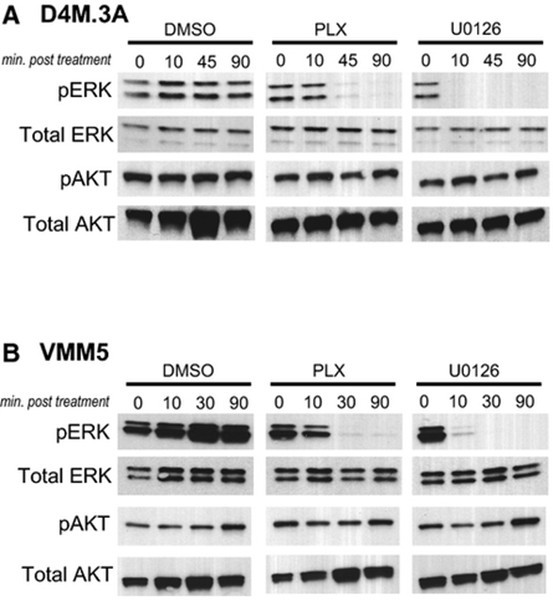
Against this backdrop, we set out to identify synthetic and endogenous ligands that bind directly to and regulate the activity of Nurr1. Owing to the pivotal role Nurr1 plays in producing and processing dopamine, and the need for neurons to tightly regulate dopamine levels, we postulated that the re
-
The methods for DNA MTase
2019-12-26
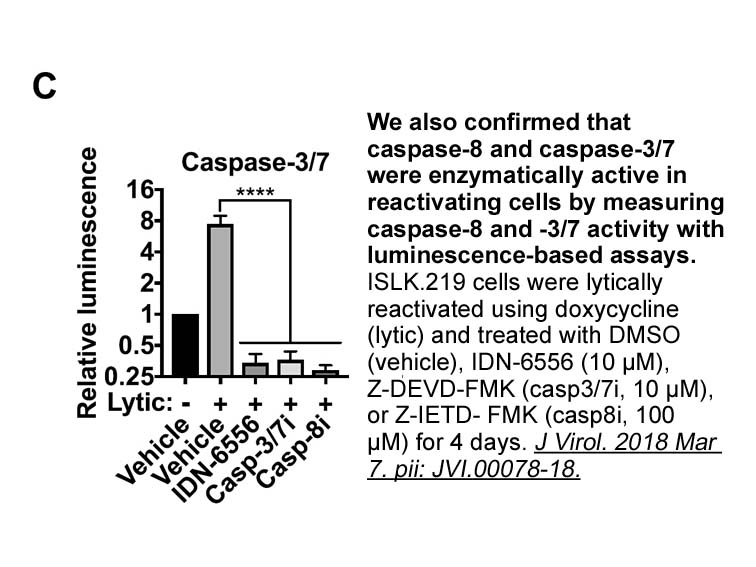
The methods for DNA MTase activity assay involve radioactive labelling [15], gel electrophoresis [16], high-performance liquid chromatography [17], [18], bisulfite conversion [19], [20], and affinity enrichment [21], [22]. In these methods, the methylated bases under the action of active MTase could
-
Uracil residues incorporated into DNA exist
2019-12-26
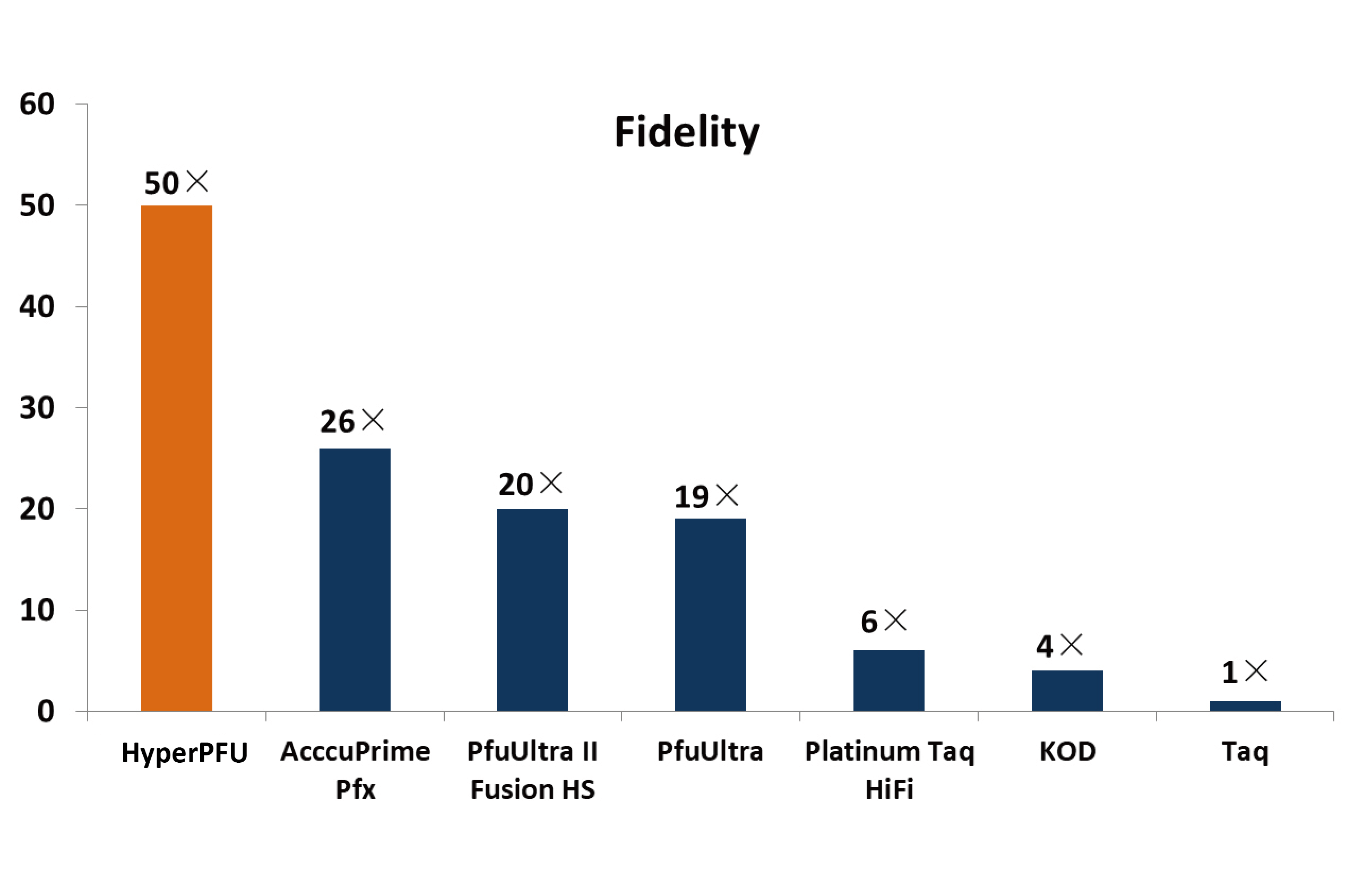
Uracil residues incorporated into DNA exist transiently since they are subject to removal by the multi-step uracil-initiated DNA SB 242084 excision repair (BER) process [2], [14]. In E. coli, uracil-DNA BER is initiated by uracil-DNA glycosylase (Ung), which catalyzes the hydrolytic cleavage of the
-
To compare glucose metabolism via oxidative phosphorylation
2019-12-24
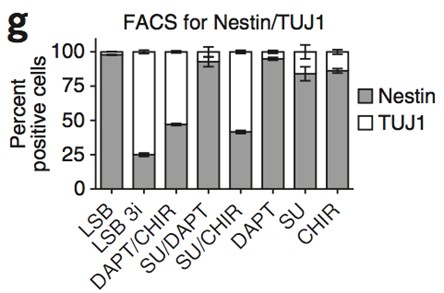
To compare glucose metabolism via oxidative phosphorylation to that via glycolysis, a bioenergetics plot was constructed (Fig. 3A). In most cells, a decrease in one bioenergetics pathway is compensated by an increase in the other. However, following NAT1 deletion, there was a decrease in both oxidat
-
Epigenetic silencing of genes that determine
2019-12-24
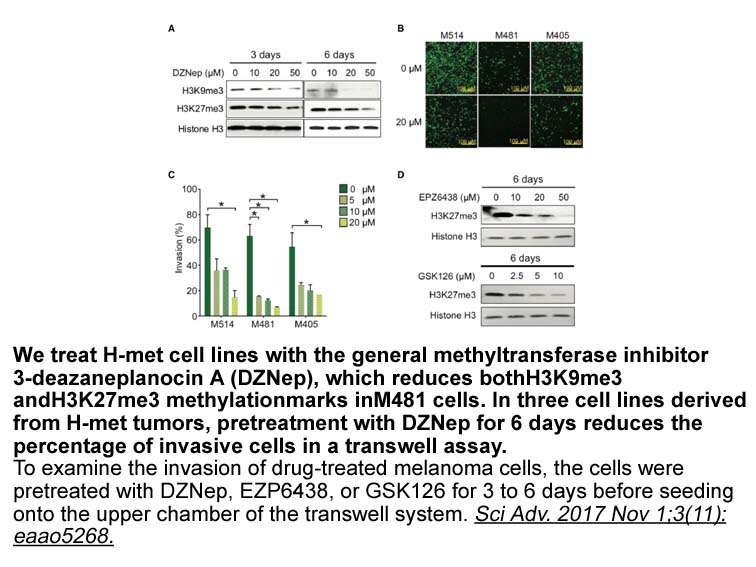
Epigenetic silencing of genes that determine tumor invasiveness, growth patterns of tumors, and tumor-cell apoptosis12, 29 may also affect the expression of drug-metabolizing enzymes, thereby providing an additional genetic mechanism in pharmacogenomics. Trisomy 8 that contains wild-type GGH could b
-
br Materials and methods br Results
2019-12-24
Materials and methods Results Discussion In this study, we confirmed the activation of Akt by udenafil in 3T3-L1 cells. To elucidate the underlying mechanism of udenafil, we focused on the mitochondria. Our findings demonstrated that udenafil improved mitochondrial function and expression o
-
LP a levels are lowered by combined oral hormone therapy
2019-12-24
LP(a) levels are lowered by combined oral hormone therapy [80], [81], [82], [83], [84], whereas for most studies using transdermal HRT little or no changes have been observed [85], [86], [87]. Oral versus transdermal administration In general most markers are influenced in a similar way by oral
-
MoAbs targeting the tumourigenic pathways such as IGF R may
2019-12-24
MoAbs targeting the tumourigenic pathways, such as IGF-1R may theoretically have a dual working mechanism. On the one hand they block pathways having an anti-tumour working mechanism, and on the other hand they may also stimulate an immunological response inducing a reaction of the patients own immu
-
The small intestine in addition to
2019-12-24
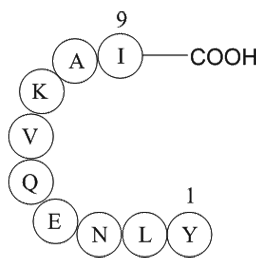
The small intestine, in addition to its primary role of absorption, has the ability to metabolize drugs and other xenobiotics through phase 1 and phase 11 metabolisms [25] since almost all the cytochrome P450 GF 109203X present in the liver are also present in the small intestine although, in lower
-
Because EBI is expressed on the major subsets of
2019-12-24
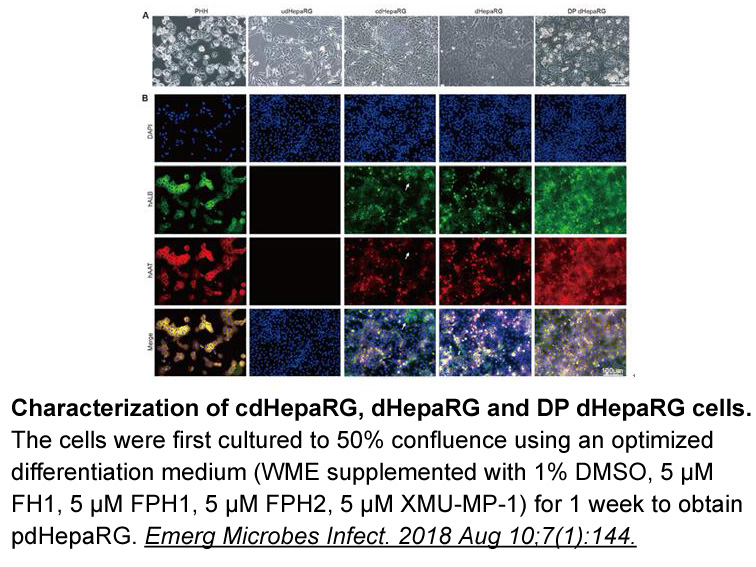
Because EBI2 is expressed on the major subsets of immune cells, and small molecule antagonists for EBI2 were recently described (Benned-Jensen et al., 2013, Gessier et al., 2014), EBI2 constitutes a tempting drug target reminiscent of the sphingosine-1-phosphate receptor superagonist fingolimod/Gile
16569 records 971/1105 page Previous Next First page 上5页 971972973974975 下5页 Last page