Archives
- 2026-08
- 2026-07
- 2026-06
- 2026-05
- 2026-04
- 2026-03
- 2026-02
- 2026-01
- 2025-12
- 2025-11
- 2025-10
- 2025-09
- 2025-03
- 2025-02
- 2025-01
- 2024-12
- 2024-11
- 2024-10
- 2024-09
- 2024-08
- 2024-07
- 2024-06
- 2024-05
- 2024-04
- 2024-03
- 2024-02
- 2024-01
- 2023-12
- 2023-11
- 2023-10
- 2023-09
- 2023-08
- 2023-07
- 2023-06
- 2023-05
- 2023-04
- 2023-03
- 2023-02
- 2023-01
- 2022-12
- 2022-11
- 2022-10
- 2022-09
- 2022-08
- 2022-07
- 2022-06
- 2022-05
- 2022-04
- 2022-03
- 2022-02
- 2022-01
-
HAT Inhibitor II The mitochondrial protein AIF was the first
2024-02-20
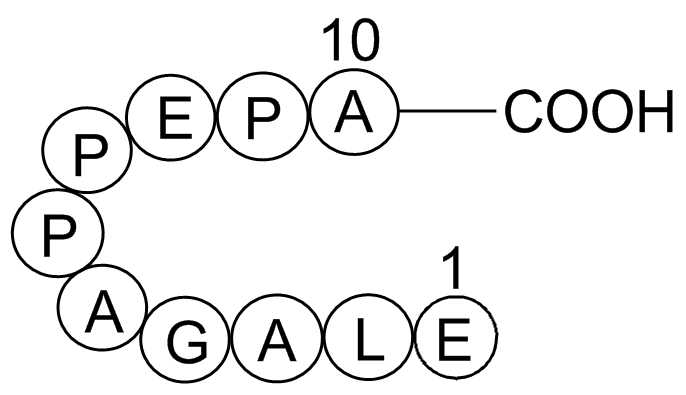
The mitochondrial protein AIF was the first caspase-independent death effector. AIF can induce caspase-independent chromatin condensation and large-scale DNA fragmentation to approximately 50 KB. AIF that is released to cytoplasm can mediate apoptosis when special extracellular signals trigger the o
-
These PrPIF are detected in untreated brain
2024-02-20
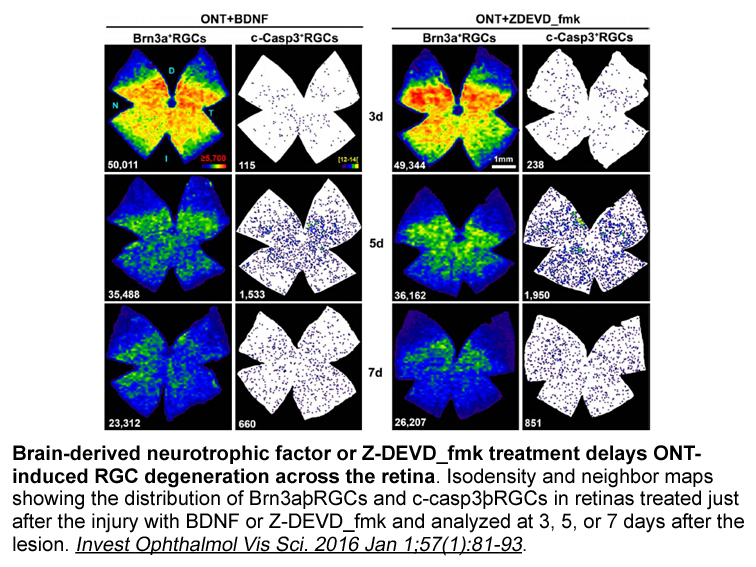
These PrPIF are detected in untreated 10058-F4 extracts but are consistently enriched following proteinase K (PK) treatment. The biochemical characterization of pathologic PrP has been carried out in most hereditary PrP cerebral amyloidosis associated with PrP mutations and the biochemical PrP patt
-
Recent results suggest that TARPs are
2024-02-19
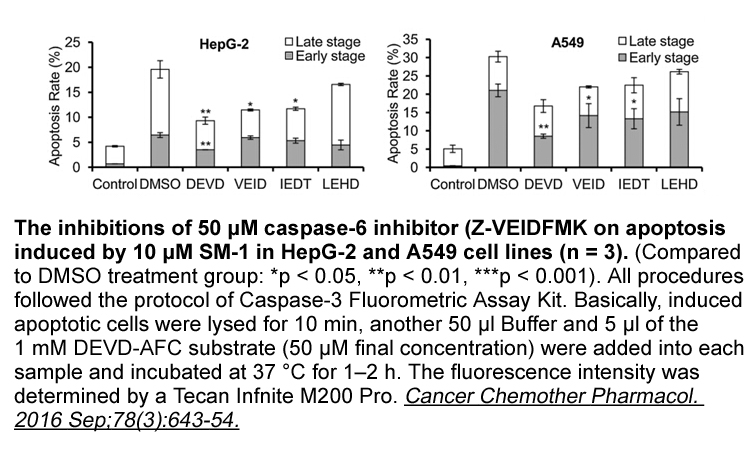
Recent results suggest that TARPs are not the only auxiliary AMPAR subunits. Using a proteomic strategy (affinity purification of native AMPAR complexes followed by mass-spectrometric analysis), cornichon-related proteins (CNIHs) have been recently identified as components of the AMPAR protein micro
-
br Experimental section br Abbreviations PSA puromycin sensi
2024-02-19
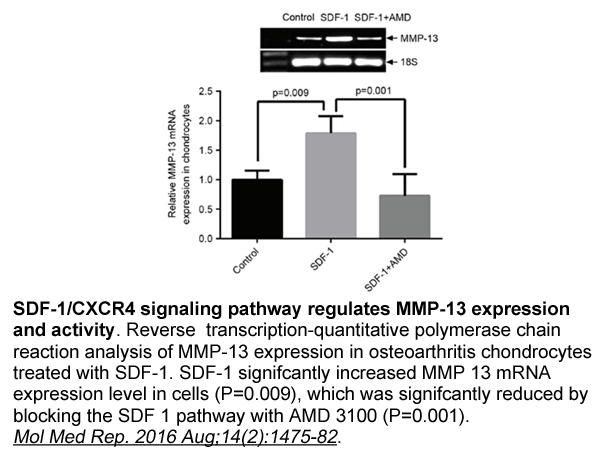
Experimental section Abbreviations PSA, puromycin–sensitive aminopeptidase; APN, aminopeptidase N; AML, acute myeloid Leukemia; ALL, acute lymphoblastic leukemia; AADR, amino DMPO deprivation response; PAN, puromycin aminonucleoside; DCC, dicyclohexyl carbodiimide; NHS, N–hydroxy succinimide;
-
Initially DPP DPP and prolyl tripeptidyl peptidase A
2024-02-19
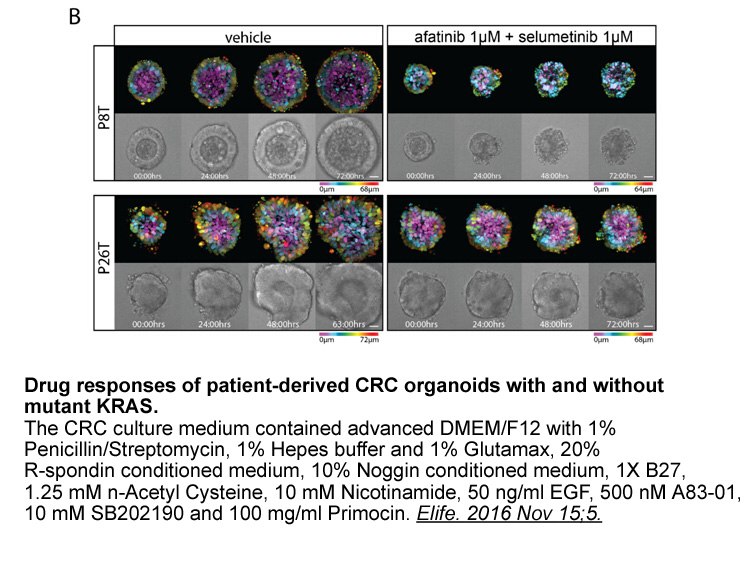
Initially, DPP4, DPP7, and prolyl tripeptidyl peptidase A (PtpA) were the only exopeptidases identified in P. gingivalis. These share substrates according to their altered specificities, as DPP4 is highly specific for Pro at the penultimate position from the N-terminus (P1 position), though it accep
-
br Current therapies for metabolic diseases Inborn errors
2024-02-19
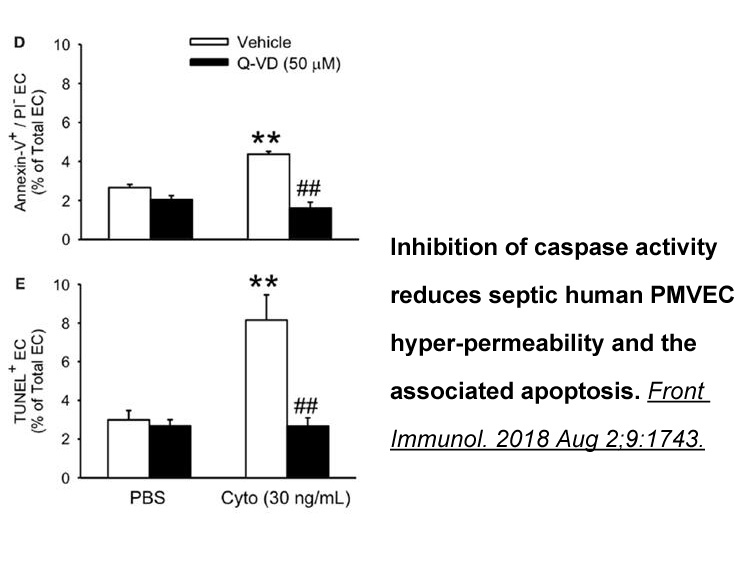
Current therapies for metabolic diseases Inborn errors of metabolism caused by deficiency of particular enzymes due to loss of function mutations or deletions have been treated by decreasing the intake of the enzymatic substrate, supplementation with an essential cofactor or vitamin, increasing m
-
AHR is essential for IL production by T cells and
2024-02-19
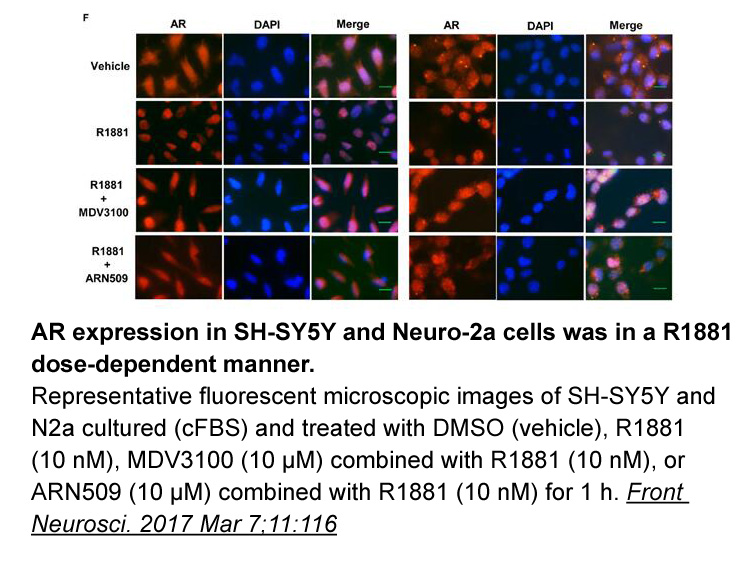
AHR is essential for IL-22 production by T somatostatin receptor and ILC3s [83]. Coexpression of AHR and RORγt by retroviral transduction in a thymoma cell line, EL4, synergistically upregulates IL-22 expression [48]. The cooperativity between AHR and RORγt has also been observed in primary T cells
-
Based on the observation that
2024-02-19
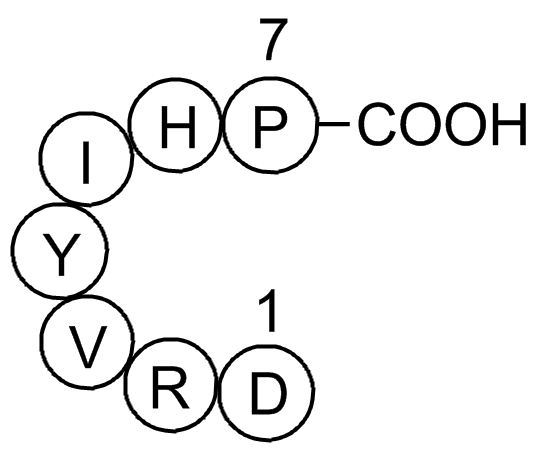
Based on the observation that antipsychotic drugs increase 5-HT1A–D2 heteromerization level (Łukasiewicz et al., 2016), we set out to compare the effect of paroxetine to that of risperidone. Paroxetine, a potent SSRI, is very effective in the treatment of depression and anxiety disorders, e.g., gene
-
br Acknowledgments and Disclosures br Introduction In mammal
2024-02-19
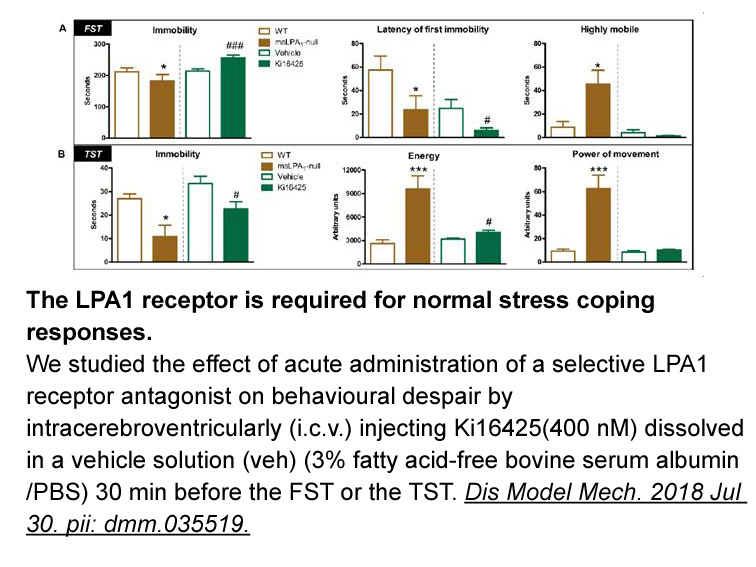
Acknowledgments and Disclosures Introduction In mammals, ejaculated sperm requires a finite period of residence in the female reproductive tract to become competent for fertilization (Visconti et al., 1995a, Visconti et al., 1995b). Once oocytes are matured, it is important for these cells to
-
We observed PACAP immunoreactivity in the molecular layer of
2024-02-19
We observed PACAP2 immunoreactivity in the molecular layer of the cerebellar cortex in zebrafish. This result is consistent with the reporting of PACAP immunoreactivity in the soma and fibers of Purkinje cells and the presence of PACAP mRNA in the Purkinje-cell and granular-cell layers in rats [43].
-
In the final set of experiments the dependence of the
2024-02-19
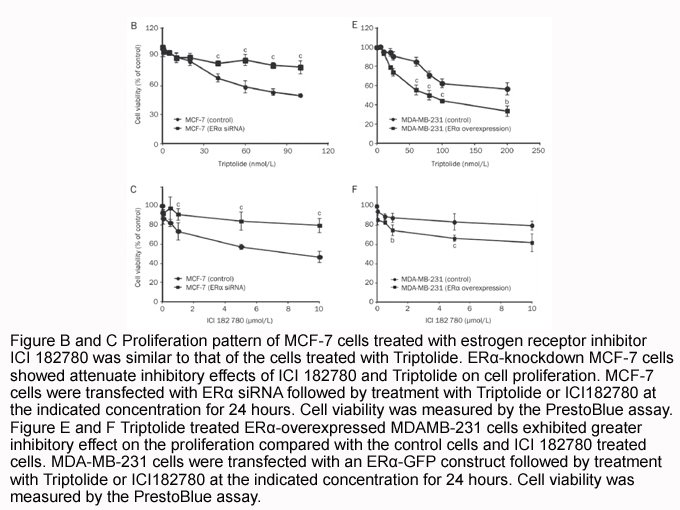
In the final set of experiments, the dependence of the reaction rate on viscosity was determined. The experimental protocol previously used to study the reaction of LOX with AA was used., Reactions of 5-LOX and AA were carried out at different relative viscosities in Tris buffer (25mM, pH 8.0) at 2
-
We have previously shown that the
2024-02-19
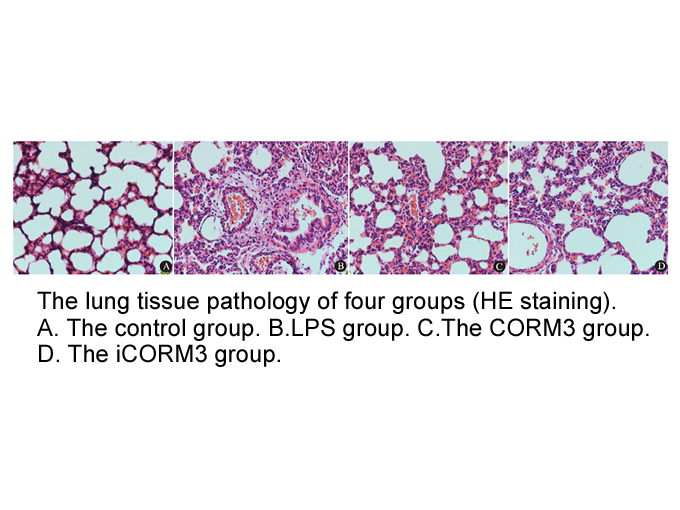
We have previously shown that the antinociceptive effect of tramadol, an analgesic that, like paracetamol is able to increase serotonin levels within CNS, is potentiated or antagonized respectively by a 5-HT1A/B nonspecific ibuprofen solubility blockade or activation (Rojas-Corrales et al., 2000).
-
At present the role of autophagy in neurons remains
2024-02-19

At present, the role of autophagy in neurons remains controversial. Autophagy has homeostatic and waste-recycling functions and plays a protective role in neurodegeneration diseases. Moreover, it has been thought as a programmed cell death participating in the occurrence and development of various d
-
The identification of novel kinase inhibitor
2024-02-19
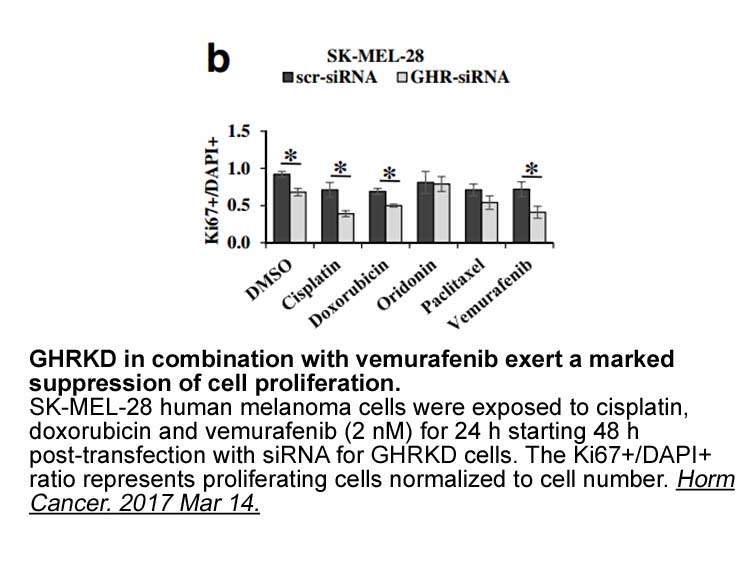
The identification of novel kinase inhibitor scaffolds is highly desirable in order to develop selective kinase inhibitors. Small-molecule inhibitors of Interleukin-2-inducible T-cell kinase (Itk) that are based on the 3-aminopyridin-2-one fragment 1 have been reported. Despite derivatisation of 1 y
-
Recent progress has been made in translating animal findings
2024-02-19
Recent progress has been made in translating animal findings on memory performance and amnestic effects – that are largely determined by tonically active receptors in which α5 contributes to the benzodiazepine binding site. Based on the observation that deletion of this subunit led to improved spati
8564 records 229/571 page Previous Next First page 上5页 226227228229230 下5页 Last page