Archives
- 2026-08
- 2026-07
- 2026-06
- 2026-05
- 2026-04
- 2026-03
- 2026-02
- 2026-01
- 2025-12
- 2025-11
- 2025-10
- 2025-09
- 2025-03
- 2025-02
- 2025-01
- 2024-12
- 2024-11
- 2024-10
- 2024-09
- 2024-08
- 2024-07
- 2024-06
- 2024-05
- 2024-04
- 2024-03
- 2024-02
- 2024-01
- 2023-12
- 2023-11
- 2023-10
- 2023-09
- 2023-08
- 2023-07
- 2023-06
- 2023-05
- 2023-04
- 2023-03
- 2023-02
- 2023-01
- 2022-12
- 2022-11
- 2022-10
- 2022-09
- 2022-08
- 2022-07
- 2022-06
- 2022-05
- 2022-04
- 2022-03
- 2022-02
- 2022-01
-
Another heroic set of studies combining retrodialysis with e
2024-03-15
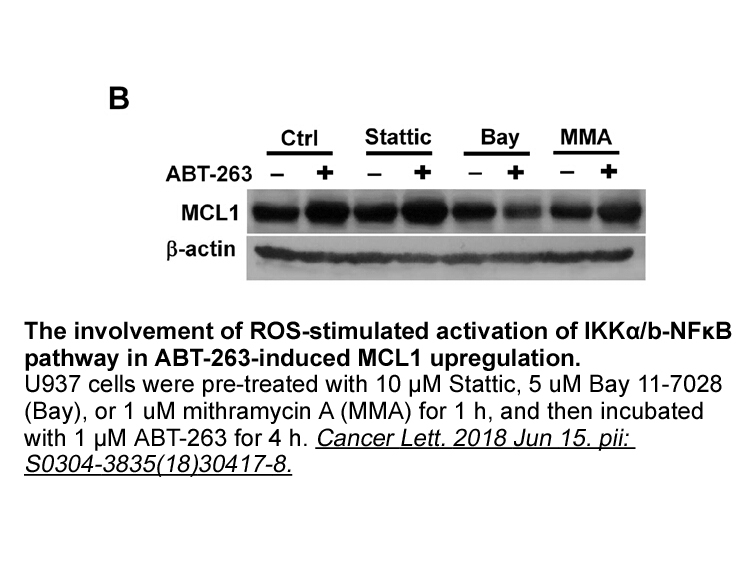
Another heroic set of studies combining retrodialysis with electrophysiological recording at two distinct brain sites further indicated that the estradiol-induced increase in auditory-evoked firing in NCM also enhanced the selectivity of auditory-evoked responses in the downstream sensorimotor nucle
-
Over expression of the inflammatory
2024-03-15
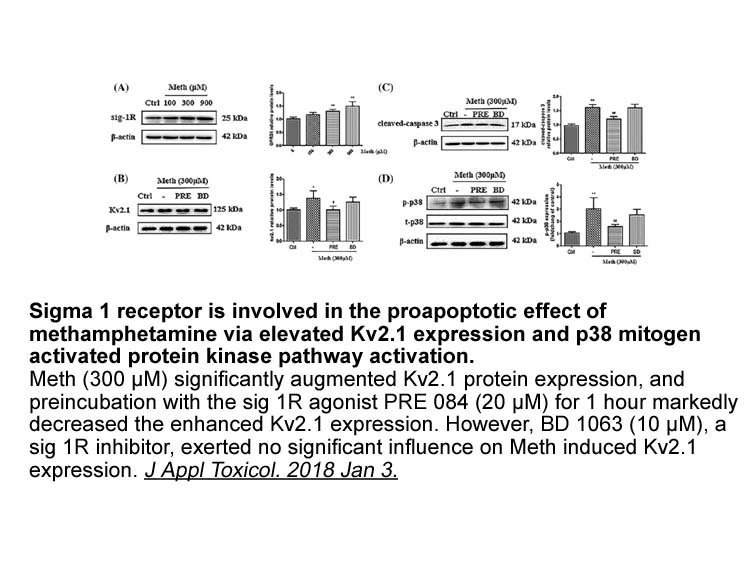
Over expression of the inflammatory cytokines, MMPs and COX-2 act as an important inducer of chronic inflammation. COX-2 catalyzes the biosynthesis of prostaglandins (PGs), and induced expression was observed in T 705 stimulated with pro-inflammatory cytokines or bacterial lipopolysaccharide (Khana
-
The proposed method was also used to evaluate resistance
2024-03-14
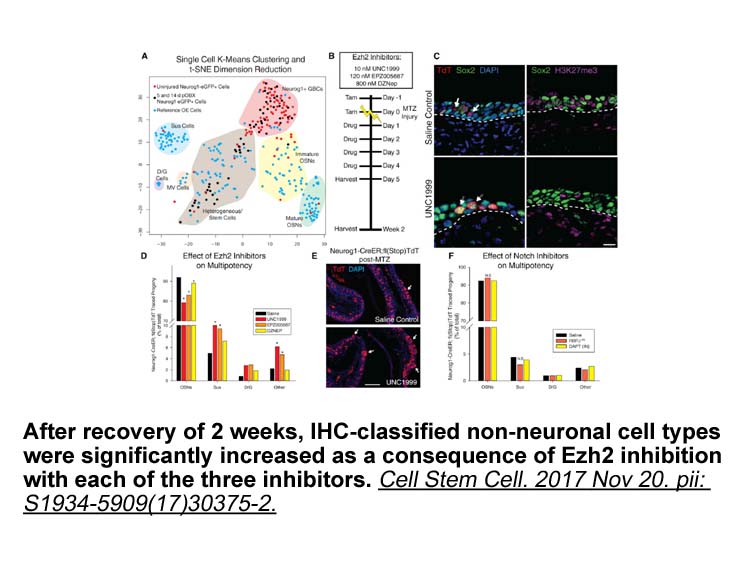
The proposed method was also used to evaluate resistance to natamycin (a natural antibiotic produced by Streptomyces natalensis used for fungal control on cheese surface) of 9 fungi, including those previously mentioned as well as Phoma pinodella UBOCC-A-116004, Candida parapsilosis UBOCC-A-216002,
-
Interestingly we noticed that LPS
2024-03-14
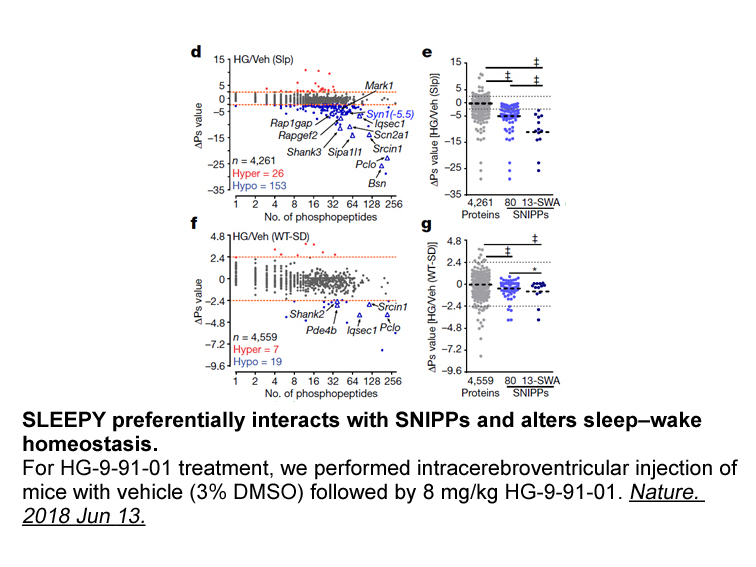
Interestingly, we noticed that LPS exposure was associated with decreased phosphorylation of AMPK and increased phosphorylation of p70S6K1, suggesting that AMPK inactivation and the subsequent mTOR activation might be involved in the development of LPS-induced inflammation. On the other side, treatm
-
br Introduction Alzheimer s disease
2024-03-14
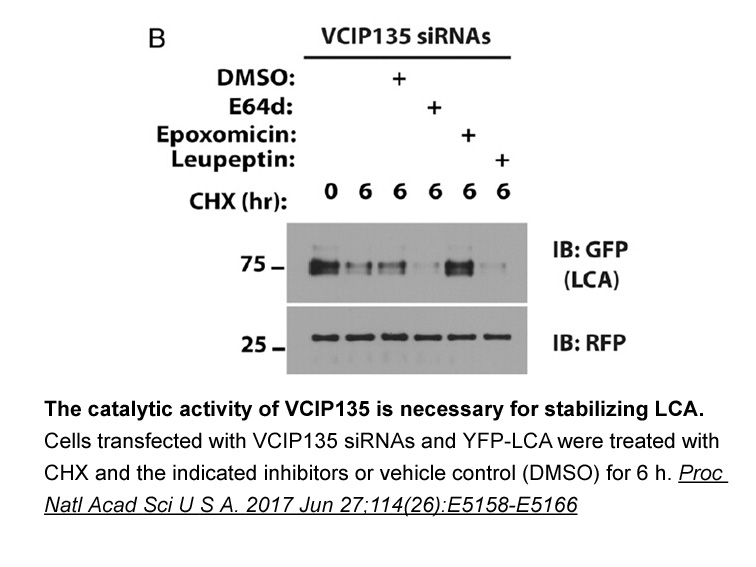
Introduction Alzheimer's disease (AD) is a neurodegenerative disorder and the leading cause of dementia. It is characterized by progressive and irreversible damage to different hexokinase inhibition areas, resulting in cognitive impairment and behavioral changes (O'Neill, 2013, De Strooper and K
-
Besides its multiple peripheral effects adiponectin may amel
2024-03-14
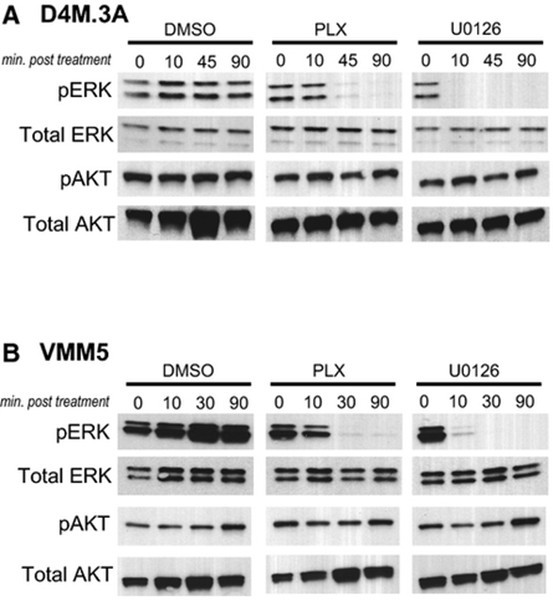
Besides its multiple peripheral effects adiponectin may ameliorate insulin resistance by acting in the brain, and intracerebroventricular administration of adiponectin in rodents decreases body weight by stimulating energy expenditure [13]. Adiponectin most likely crosses the blood-CSF-barrier (BCB)
-
br Methods br Results br Discussion br Acknowledgements
2024-03-14
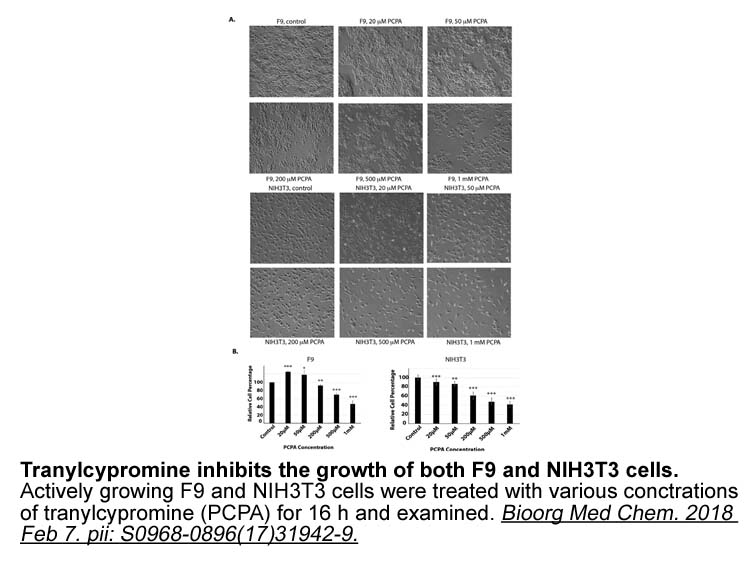
Methods Results Discussion Acknowledgements This work was supported by the National Institutes of Health [Grant R21 NS081429], a Pilot Grant from the Vanderbilt Conte Center supported by the National Institutes of Health [Grant P50 M096972], and by the Department of Anesthesiology at V
-
In conclusion two novel series
2024-03-14
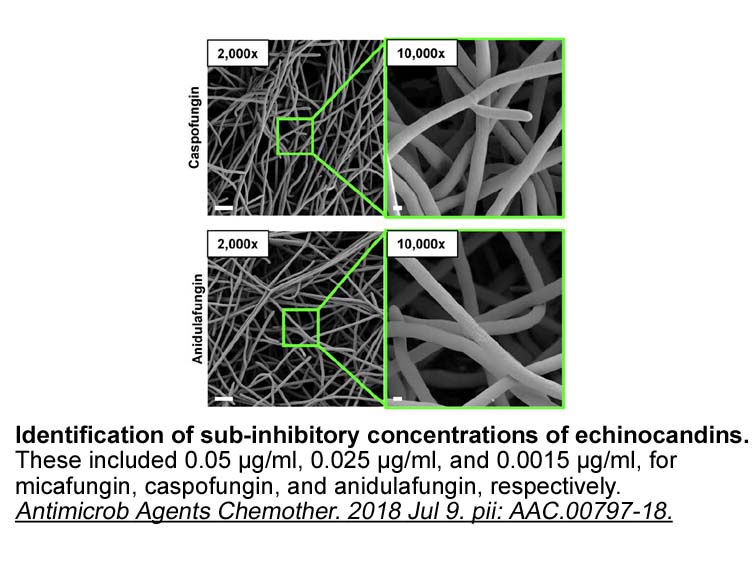
In conclusion, two novel series of furo[2,3-]pyrimidin4-amines and 7-pyrrolo[2,3-]pyrimidin-4-amines which exhibit potent in vitro inhibitor activity against ACK1 have been identified and evaluated. 1,3-Dithiolane-substituted pyrrolopyrimidine displays excellent ACK1 cellular inhibition, good kinas
-
br Discussion Myopathic EMG changes
2024-03-14
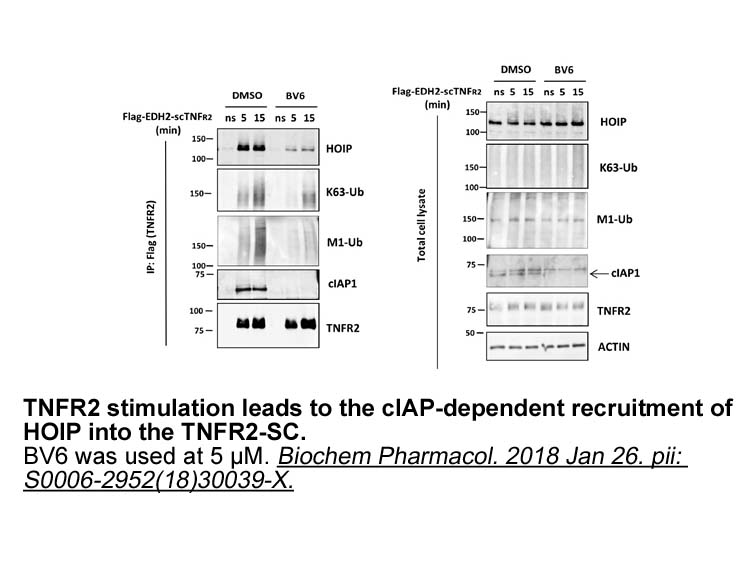
Discussion Myopathic EMG changes are frequently detected in patients with MuSK MG, unlike in AChR MG patients [10]. However, these EMG changes are not always accompanied by myopathic histopathological findings. It has been shown that mitochondrial abnormalities seem to be more prominent in MuSK M
-
In pancreatic islets we found
2024-03-13
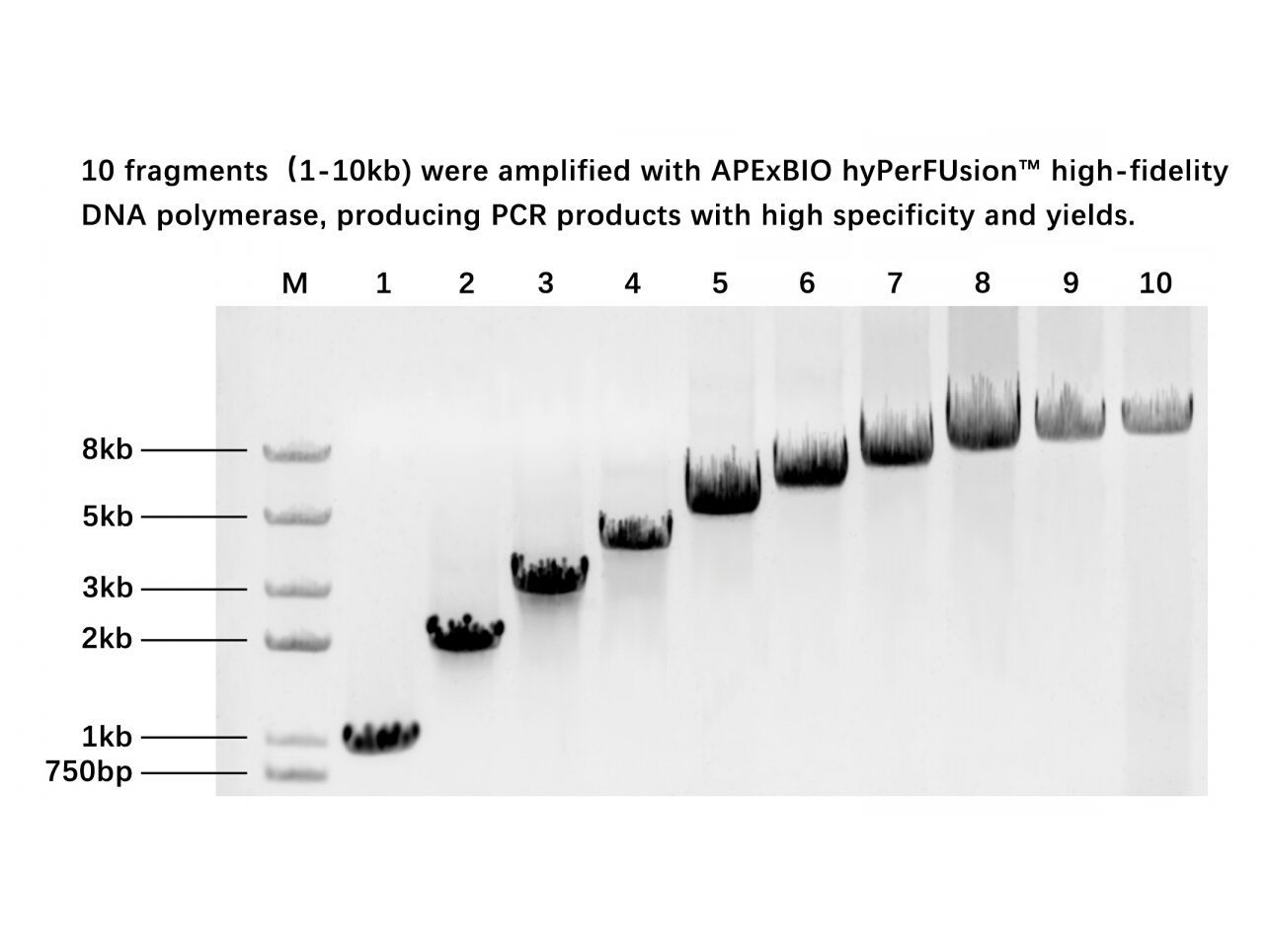
In pancreatic islets we found an increase in protein expression of leukocyte 12/15-LO that paralleled the metabolic decline characterized by severe hyperglycemia and reduced islet numbers. Similar increase in 12/15-LO expression by Western blot was found in the control mice, which have a normal meta
-
In the current study SA
2024-03-13
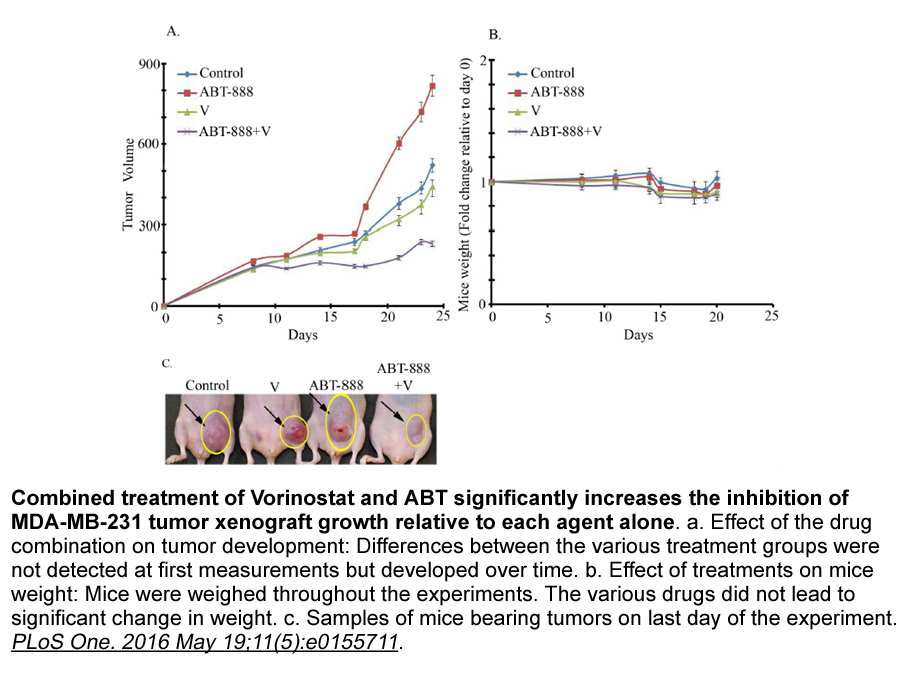
In the current study, SA was assessed to confirm the safety of CS addition to erythrocytes SA as well as SA elicits antioxidant action. It has been reported that, ROS induced desialylation by depletion of SA content from cell surfaces (Pawluczyk et al., 2014, Harisa, 2015). Therefore, significant de
-
br Introduction Hepatocellular carcinoma HCC is an aggressiv
2024-03-13
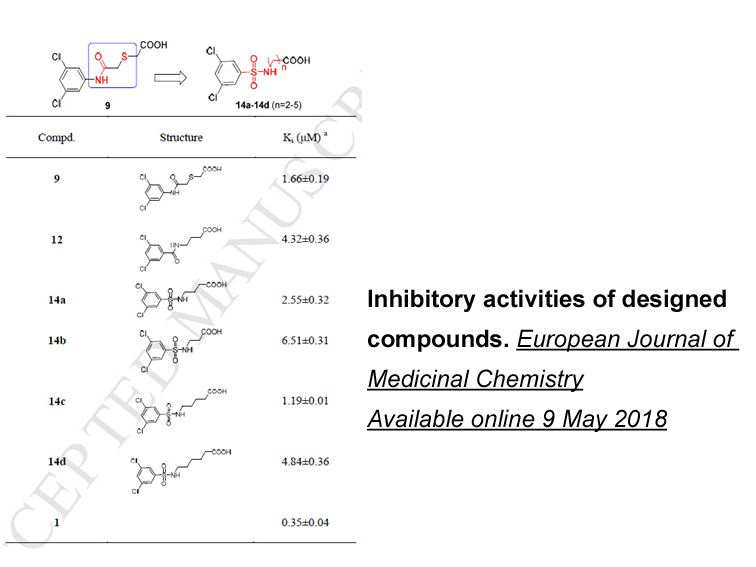
Introduction Hepatocellular carcinoma (HCC) is an aggressive and malignant cancer detected in clinical practice, as it is the third key reason of tumor-related deaths worldwide, with > 800, 000 mortalities every year (Torre et al., 2015). Current treatments for HCC are surgical therapy, liver tra
-
The PDZ domains of DLG
2024-03-13
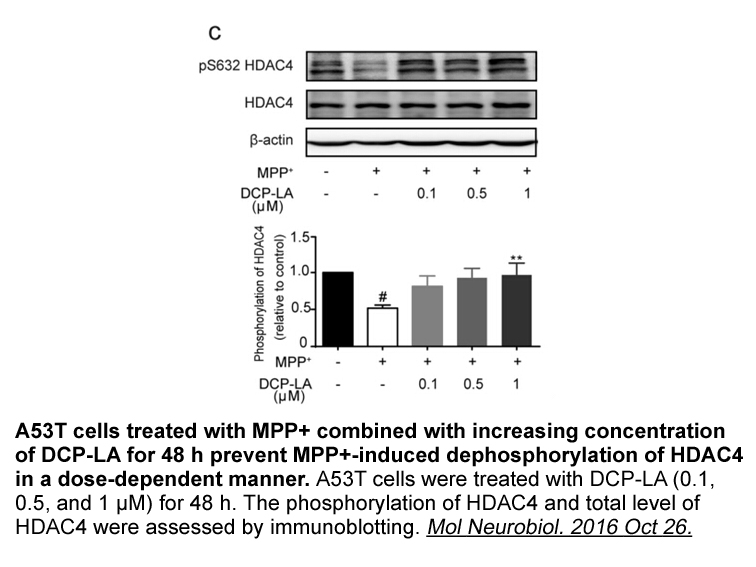
The PDZ domains of DLG interact with tumor suppressor proteins, APC and PTEN, as well as with several viral oncoproteins such as the E6 protein present in oncogenic human papillomavirus (reviewed in [177]). It has been reported that overexpression of DLG in fibroblasts impairs the events in the G0/G
-
br Emerging Vascular Mechanisms of AA Therapy Resistance Exp
2024-03-13
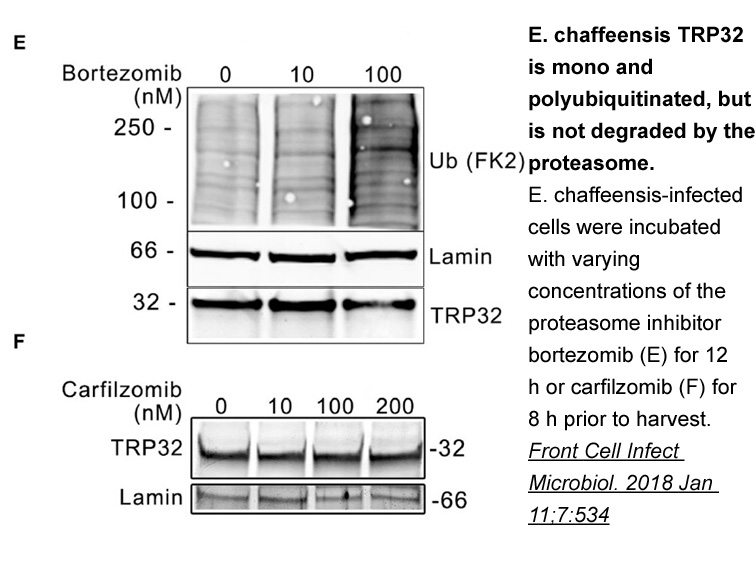
Emerging Vascular Mechanisms of AA Therapy Resistance Experimental and clinical evidence indicates that physiological angiogenesis generates blood vessels capable of restoring perfusion [1], whereas tumoral angiogenesis gives rise to vessels that are structurally and functionally abnormal, therei
-
Intriguingly androgens may also have an indirect
2024-03-13
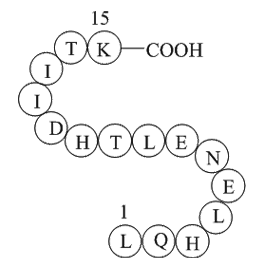
Intriguingly androgens may also have an indirect effect on AR gene expression through inhibition of the GATA2 transcription factor gene (He et al., 2014) (Table 1). Using ChIP-seq, GATA2 was found to bind to a regulatory element 5.5 kb upstream of the TSS of the AR gene and enhanced transcription, w
8564 records 214/571 page Previous Next First page 上5页 211212213214215 下5页 Last page